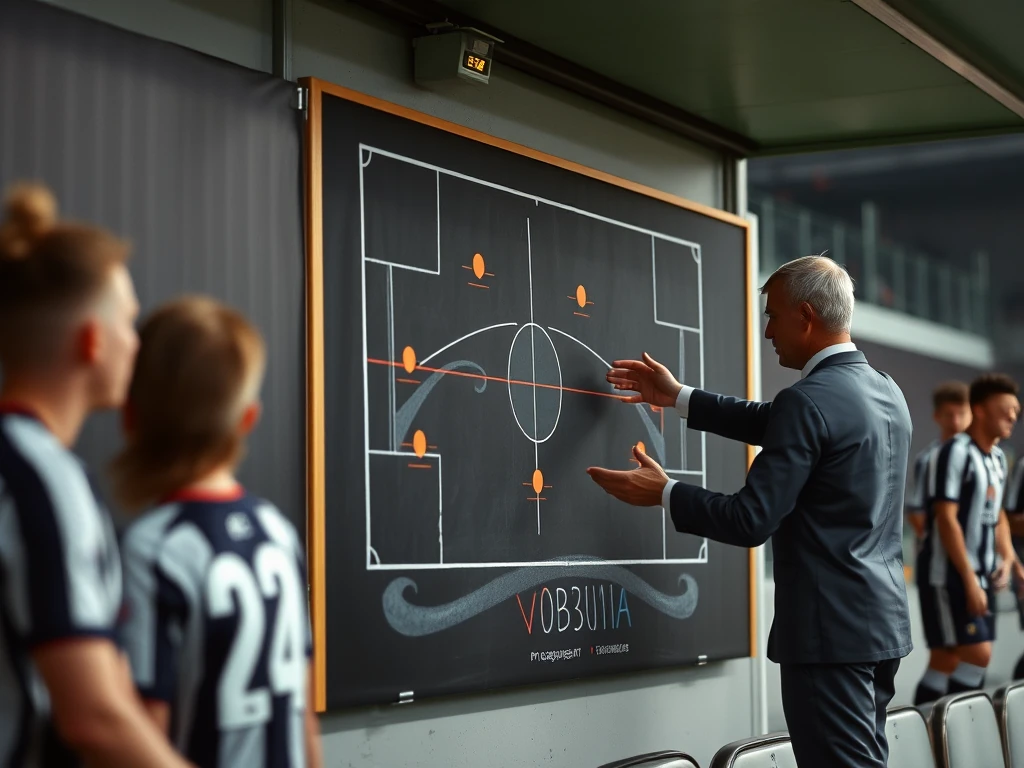
As we delve into Sutton Utd's recent form, it's clear that while the team has shown flashes of brilliance, a few tactical tweaks could enhance their overall consistency. The Us have experienced a mixture of results, often oscillating between solid performances and disappointing displays, which suggests that small adjustments could yield significant improvements as they navigate the challenges of the National League.
One of the key areas for improvement lies in the midfield dynamics. Currently, Sutton's midfielders display a commendable work rate, but often lack the necessary creativity to unlock tightly packed defenses. Introducing a more fluid attacking midfielder could provide the team with the vision needed to thread passes through opposition lines, enabling forwards to exploit space more effectively. This could be achieved by shifting to a 4-2-3-1 formation, allowing for a more advanced playmaker who can link up with strikers effectively while still providing defensive cover.
Defensively, Sutton Utd has shown resilience; however, there have been moments of vulnerability, particularly during set-pieces and transitions. Incorporating a more coordinated defensive structure could help mitigate these risks. Emphasizing communication and positioning during training sessions will be crucial, as well as considering a shift to a three-at-the-back system for certain matches, which could provide additional security while allowing wing-backs to push forward and support the attack.
Moreover, the pressing strategy employed by Sutton has been effective at times, yet it could be re-evaluated to maximize its impact. Implementing a more selective pressing trigger-such as pressing after a specific number of passes or certain player movements-could catch opponents off-guard and create more goal-scoring opportunities. This strategic refinement would not only enhance the team’s ability to regain possession but also allow for a more organized transition back into defense when the press is bypassed.
Player rotations also play a significant role in sustaining performance levels throughout the grueling National League season. While squad depth has been a positive aspect for Sutton, ensuring that key players are rotated appropriately can help maintain peak physical condition. This should involve strategic substitutions during matches to introduce fresh energy and creativity, particularly in the latter stages of games when opponents might be tiring.
Finally, fostering a culture of adaptability within the squad is crucial as they face various opponents with differing tactical approaches. Encouraging players to be versatile in their roles can provide Sutton with a tactical flexibility that is often required in league competitions. This adaptability will not only make the team harder to predict but also enable them to counteract the strengths of their opponents effectively.
In conclusion, while Sutton Utd has laid a solid foundation this season, embracing these tactical tweaks could help them convert potential into consistent performances. By refining their midfield creativity, defensive structure, pressing strategies, player rotations, and overall adaptability, The Us can look forward with optimism as they aim to secure their place among the top contenders in the National League.